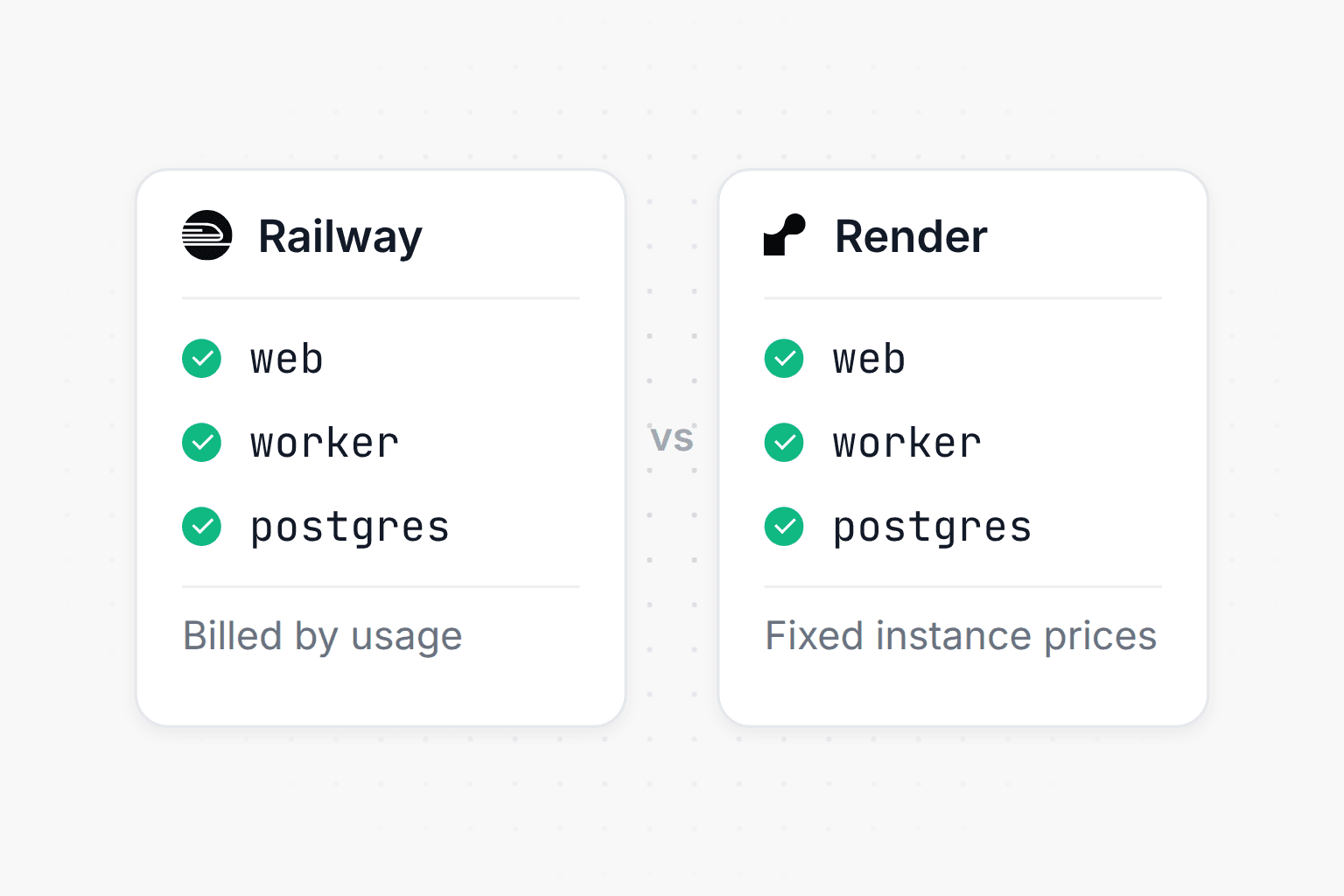
Railway vs Render: pricing, services, databases and regions compared
Railway vs Render in 2026: how each one bills, workers and cron jobs, managed Postgres, regions and config as code, with what a small app costs on both.
 Aram Shatakhtsyan·
Modelence blog
Guides on deploying apps to AWS, keeping them running and moving them between platforms.
Railway vs Render in 2026: how each one bills, workers and cron jobs, managed Postgres, regions and config as code, with what a small app costs on both.
Aram Shatakhtsyan·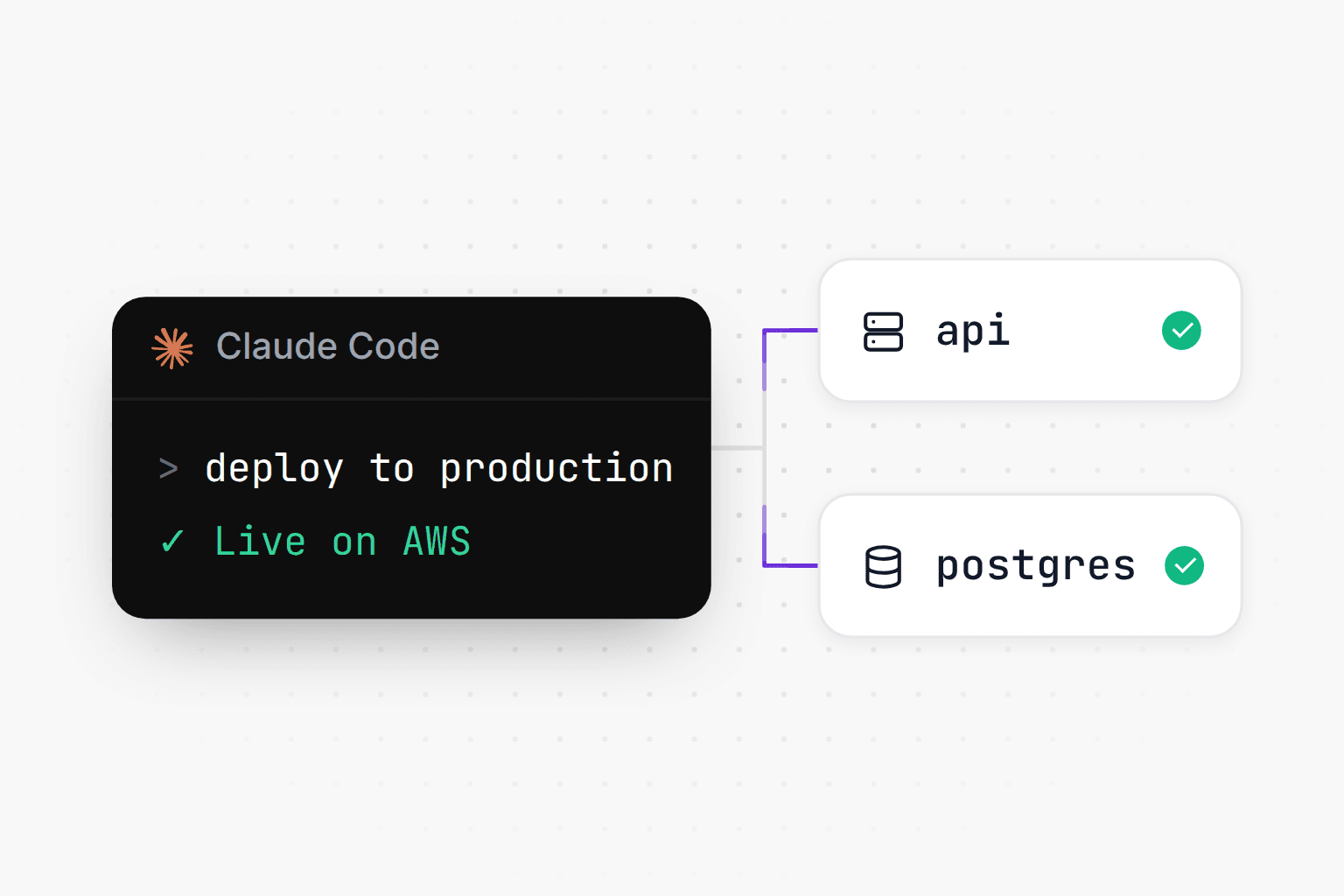
How to deploy a Claude Code app to production: what a live app needs, the hosting options compared, the agent-led deploy flow and a pre-launch checklist.
Aram Shatakhtsyan·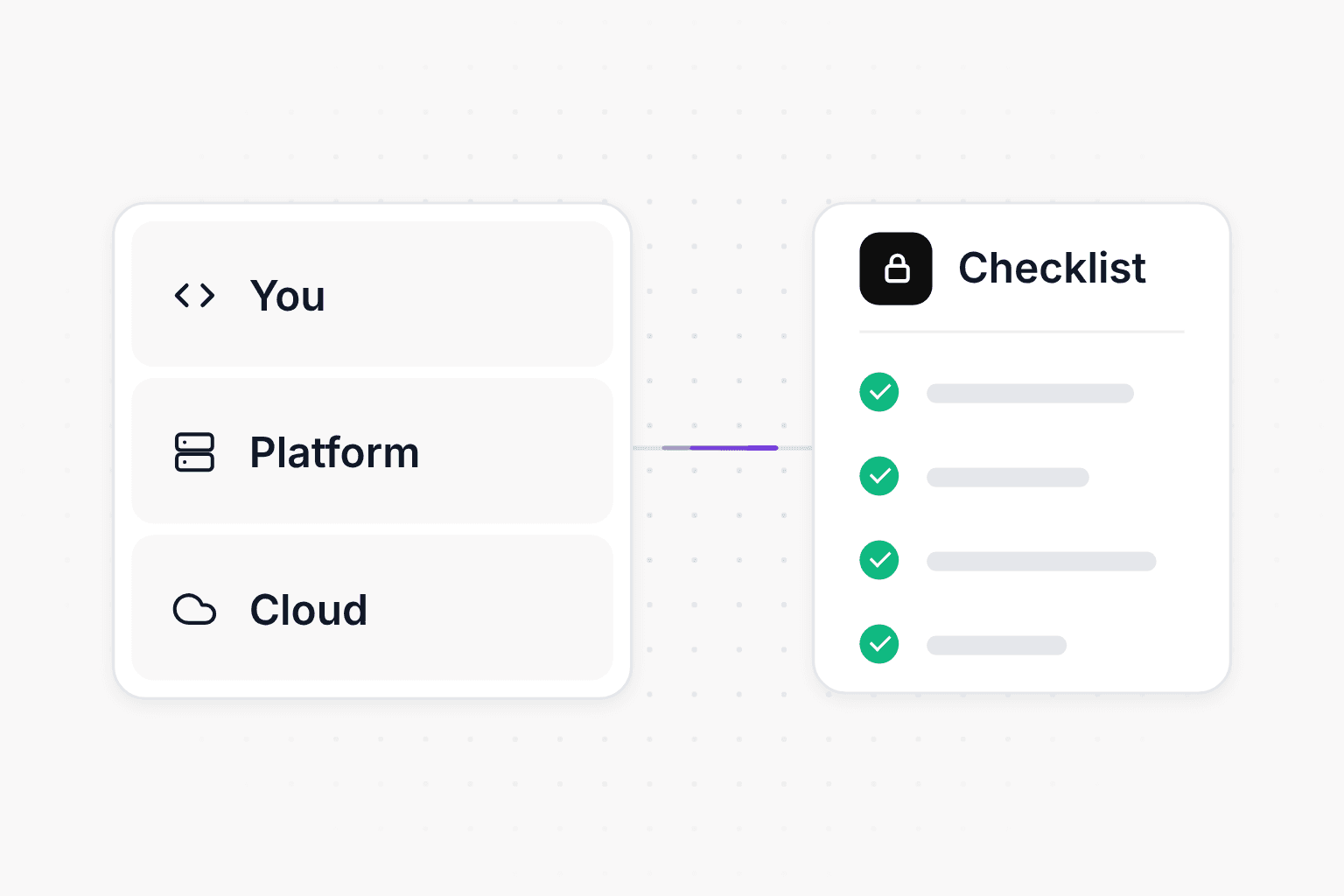
Cloud hosting security explained: what your PaaS secures, what stays your job, and a checklist to run before you trust a host with your app and user data.
Aram Shatakhtsyan·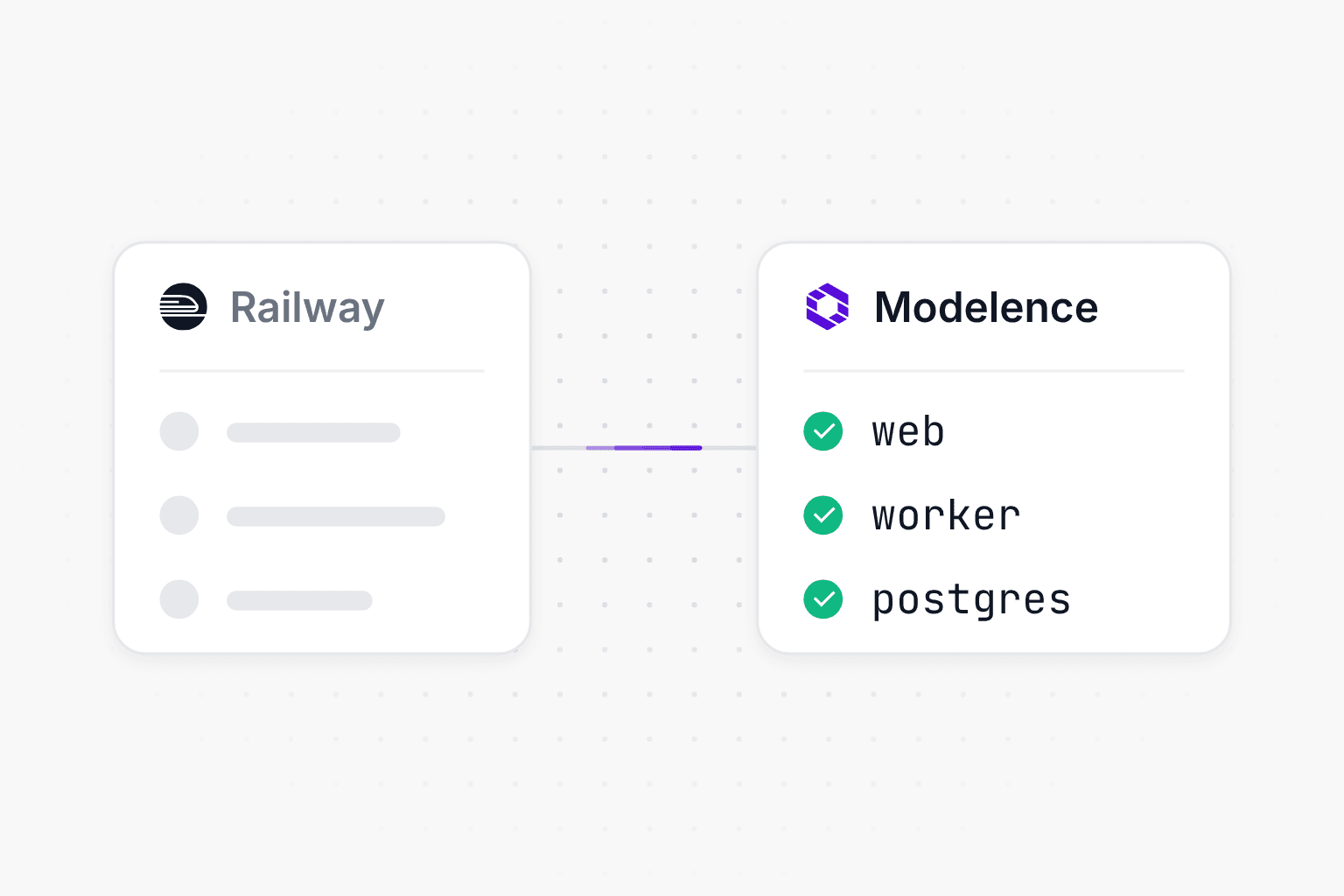
Compare 9 Railway alternatives for 2026, including Render, Fly.io and AWS, on pricing, managed databases, regions and how much operating work they leave to you.
Aram Shatakhtsyan·
Vibe coding security, explained with real failure data: the risks that ship most often, a checklist for every change, and when to get an audit.
Aram Shatakhtsyan·
What is vibe coding? The term now means two different things. Here is the original definition, how the workflow runs, and where it stops being safe.
Aram Shatakhtsyan·
Vibe coding is transforming into “agentic engineering,” with the whole development lifecycle being taken over by AI agents, builders and tools.
Aram Shatakhtsyan·
Weighing a Shopify alternative? See what Shopify costs each month in fees and apps, what you take on by building your own store, and when it pays off.
Aram Shatakhtsyan·
Vibe costs are more than just how much you pay for a tool. Find out what it actually costs to vibe code apps in 2026.
Aram Shatakhtsyan·
AI coding agents edit code in a repo you maintain. Full-stack builders hand you a running app. Here is how to tell which one fits what you are building.
Aram Shatakhtsyan·
An AI app builder buying guide built on one test build: what to try, what the credits really cost, and what you own if you leave.
Aram Shatakhtsyan·
Discover 30 micro SaaS ideas for 2026, each with a clear buyer, recurring problem, smallest viable product, and a way to validate demand before building.
Aram Shatakhtsyan·