TL;DR
Key takeaways
- GDPR does not strictly require EU hosting, but it does require a safeguard such as an adequacy decision or the Standard Contractual Clauses for data leaving the EEA.
- Many European customers ask for more than the law and want their data kept in the EU, so hosting in an EU region answers their security questionnaires directly.
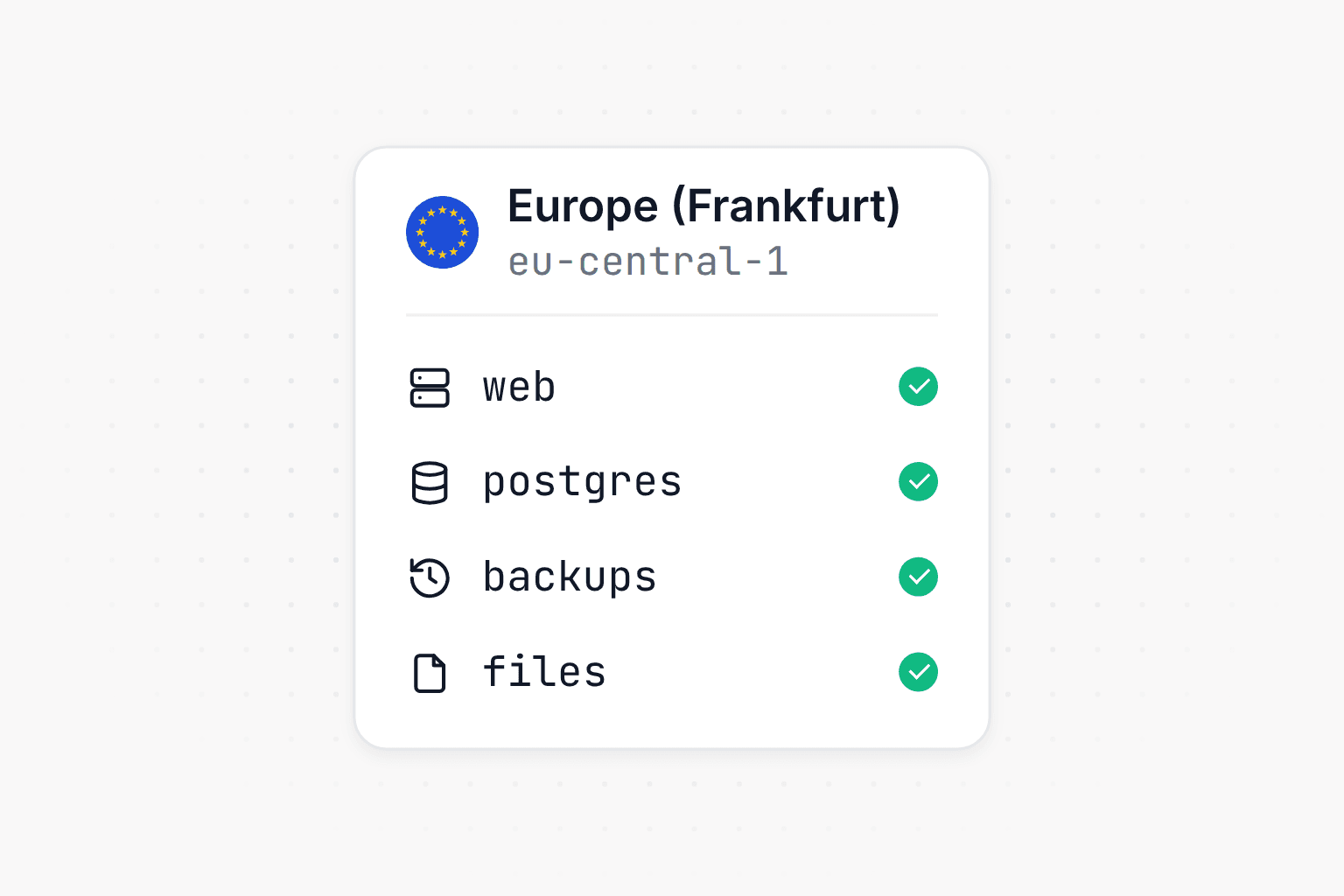
- EU data residency should cover the application database, file storage and backups, all in the same EU region.
- Check the provider's data processing agreement and subprocessor list rather than its marketing pages.
- On Modelence Cloud, an environment in an EU region keeps its application database, files and backups at rest in the EU, as the DPA states.
Ask AI about this post:
GDPR does not strictly require you to host in the EU. It requires that personal data leaving the European Economic Area is protected by an approved safeguard, such as an adequacy decision or the Standard Contractual Clauses. In practice, many European customers ask for more than the law does: banks, health companies and public bodies often write into their contracts that their data stays in the EU. The simplest way to meet both is to run your app, its databases and their backups in an EU region, and to work with a host whose data processing agreement says so. This guide covers what GDPR actually asks of your hosting, what to check with a provider, which regions to pick, and how to run an app in the EU on Modelence Cloud.
Does GDPR require hosting in the EU?
No. GDPR applies to personal data of people in the EU wherever it is processed, and Chapter V of the regulation sets the rules for transferring that data to other countries. A transfer is allowed when one of these applies:
- An adequacy decision. The European Commission has decided that a country protects personal data to an equivalent standard. The UK, Switzerland and Japan are among them, and US companies certified under the EU-US Data Privacy Framework have been covered since July 2023.
- Standard Contractual Clauses (SCCs). Contract terms approved by the Commission in 2021 that the sender and receiver of the data sign, usually as part of a data processing agreement. Most cloud providers use them.
- Other safeguards, such as binding corporate rules inside a group of companies, or narrow exceptions like the person's explicit consent.
So an app hosted in the US with a proper DPA and SCCs can be GDPR compliant. The reason teams still move to the EU is commercial: enterprise and regulated customers send security questionnaires asking where data is stored, and "in the EU" is the answer that ends the conversation.
What "hosted in the EU" should cover
When a customer asks for EU data residency, they mean their personal data at rest. For a typical web app that is:
| Part | What it holds | Where it should be |
|---|---|---|
| Application database | Users, records, everything the app stores | EU region |
| File storage | Uploads, generated documents, images | EU region |
| Backups | Copies of the database, kept for weeks or months | Same EU region as the database |
| App servers | Data passes through memory while requests run | EU region, next to the database |
Backups are the part teams forget. A database in Frankfurt with snapshots copied to a US bucket is not EU residency, and it is the first thing a careful reviewer asks about.
Beyond the hosting itself, every other tool that touches personal data is a subprocessor with its own location: email delivery, support chat, analytics, error tracking, AI model APIs. List them, check where each one processes data and under which safeguard, and keep that list current. Customers will ask for it.
What to check with a hosting provider
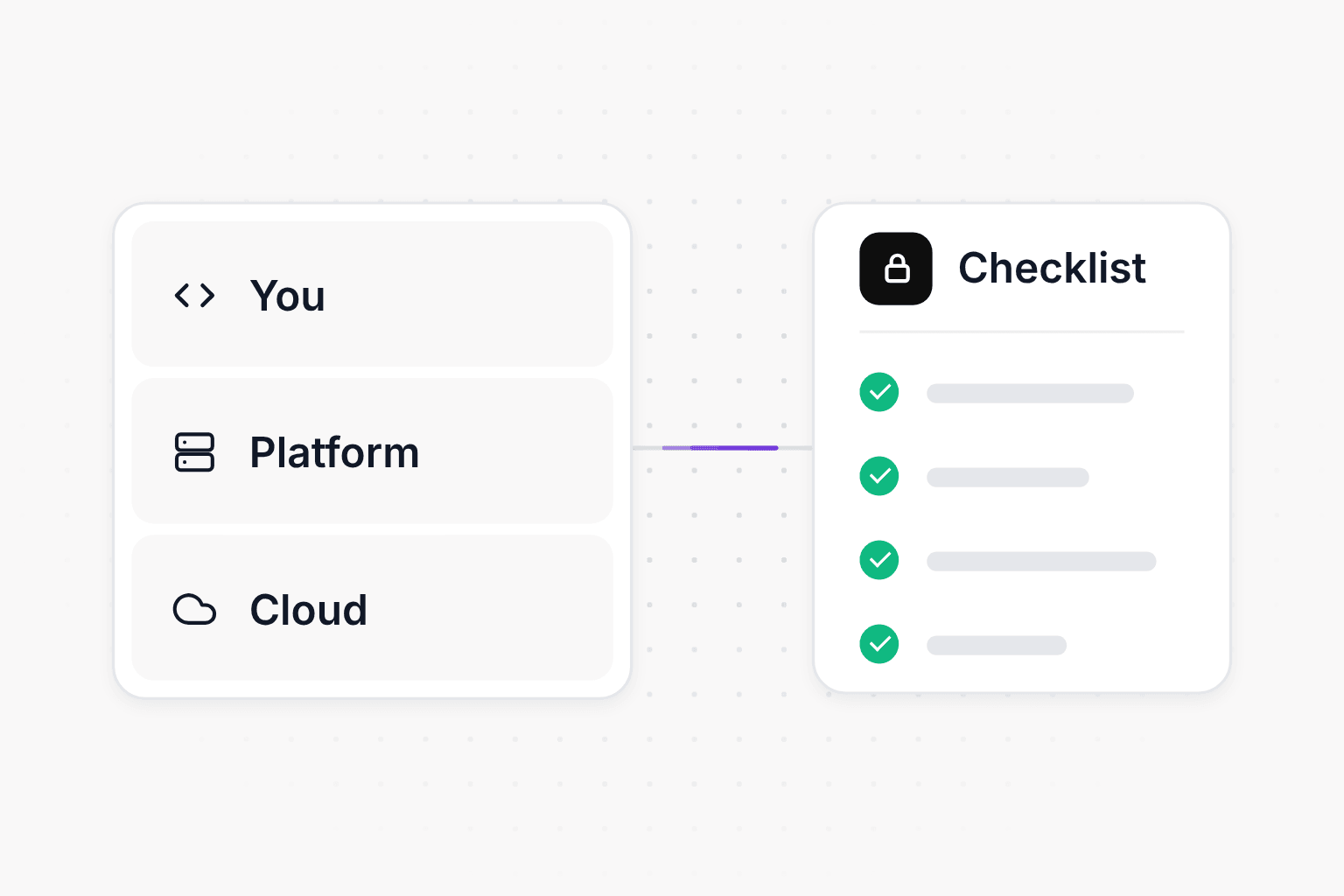
Before you pick a host for an EU app, look for these in its documents rather than its marketing pages:
- Region choice per environment, so production can run in the EU while previews or staging run anywhere.
- A data processing agreement that names where customer data is stored at rest and includes the 2021 SCCs, with the UK Addendum if you have UK customers.
- A published subprocessor list with the location of each one and notice before new ones are added.
- Backups in the same region as the database, encrypted.
- Encryption in transit (TLS) and at rest for databases and backups.
- Deletion terms: what happens to your data and its backups when you delete a database or leave.
EU and UK regions on AWS
AWS has several regions inside the EU and one in the UK. For most apps the choice comes down to where the majority of your users are, since every region in the list is close to the rest of Europe in latency terms.
| Region | AWS code | Country | Notes |
|---|---|---|---|
| Europe (Frankfurt) | eu-central-1 | Germany | Central for continental Europe, a common pick for DACH customers |
| Europe (Ireland) | eu-west-1 | Ireland | Long-established region, good for Western Europe |
| Europe (Paris) | eu-west-3 | France | For customers who want data in France |
| Europe (Stockholm) | eu-north-1 | Sweden | Close to the Nordics |
| Europe (London) | eu-west-2 | United Kingdom | For UK data residency under UK GDPR |
The UK left the EU, so a London region is not EU hosting. UK customers usually want London, and the EU recognizes the UK as adequate, so data can move between the two under the right agreements.
Hosting an app in the EU on Modelence
Modelence Cloud runs your app on AWS. Each production environment runs in one region, picked when you deploy the environment for the first time, and the app's containers and its MongoDB, PostgreSQL and Redis databases are created in that region. The regions include Frankfurt, Ireland, Paris, Stockholm and London.
The data processing agreement states the residency commitment for EU regions directly: "For environments you deploy in a region located in a European Union member state (an 'EU region'), Customer Application Data (the application database, application files, and their backups) is stored at rest within the EU." It incorporates the 2021 Standard Contractual Clauses (Module Two, controller to processor) and the UK Addendum, and the subprocessor list shows where each subprocessor processes data.
On the security side, traffic uses TLS 1.2 or later, database connections are encrypted, and databases and their backups are encrypted at rest. Backups run automatically on every plan, with a snapshot at least every six hours, and secrets are encrypted with a separate key for each environment.
The setup is the same as for any other region. Declare the databases your app needs in modelence.config.json:
{
  "resources": {
    "web": {
      "type": "service",
      "build": { "commands": ["npm ci", "npm run build"] },
      "start": { "commands": ["npm start"] }
    },
    "main-db": { "type": "postgres", "plan": "postgres-1gb" },
    "cache": { "type": "redis" }
  },
  "env": {
    "DATABASE_URL": { "type": "resource", "resource": "main-db", "output": "url" },
    "REDIS_URL": { "type": "resource", "resource": "cache", "output": "url" }
  }
}
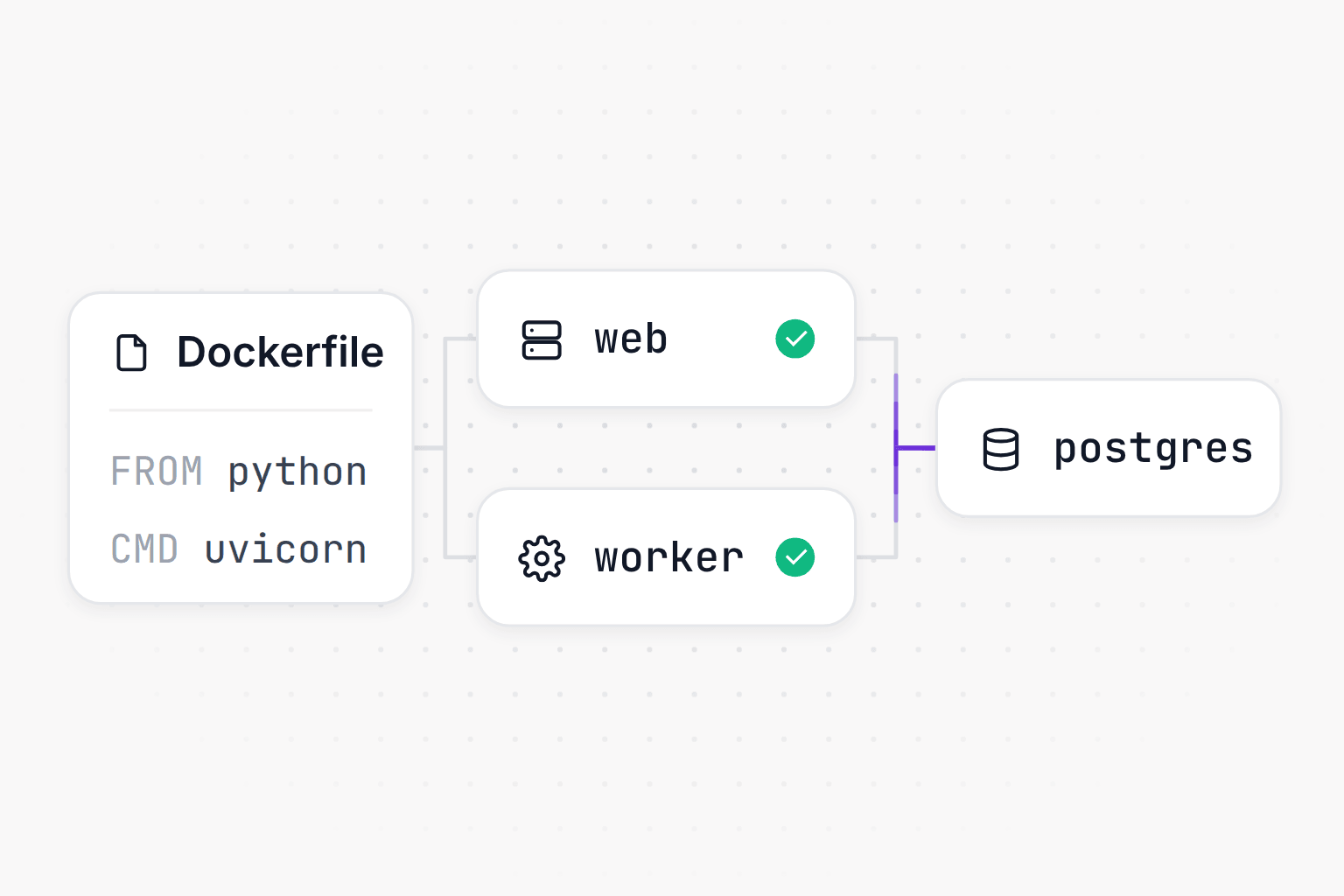
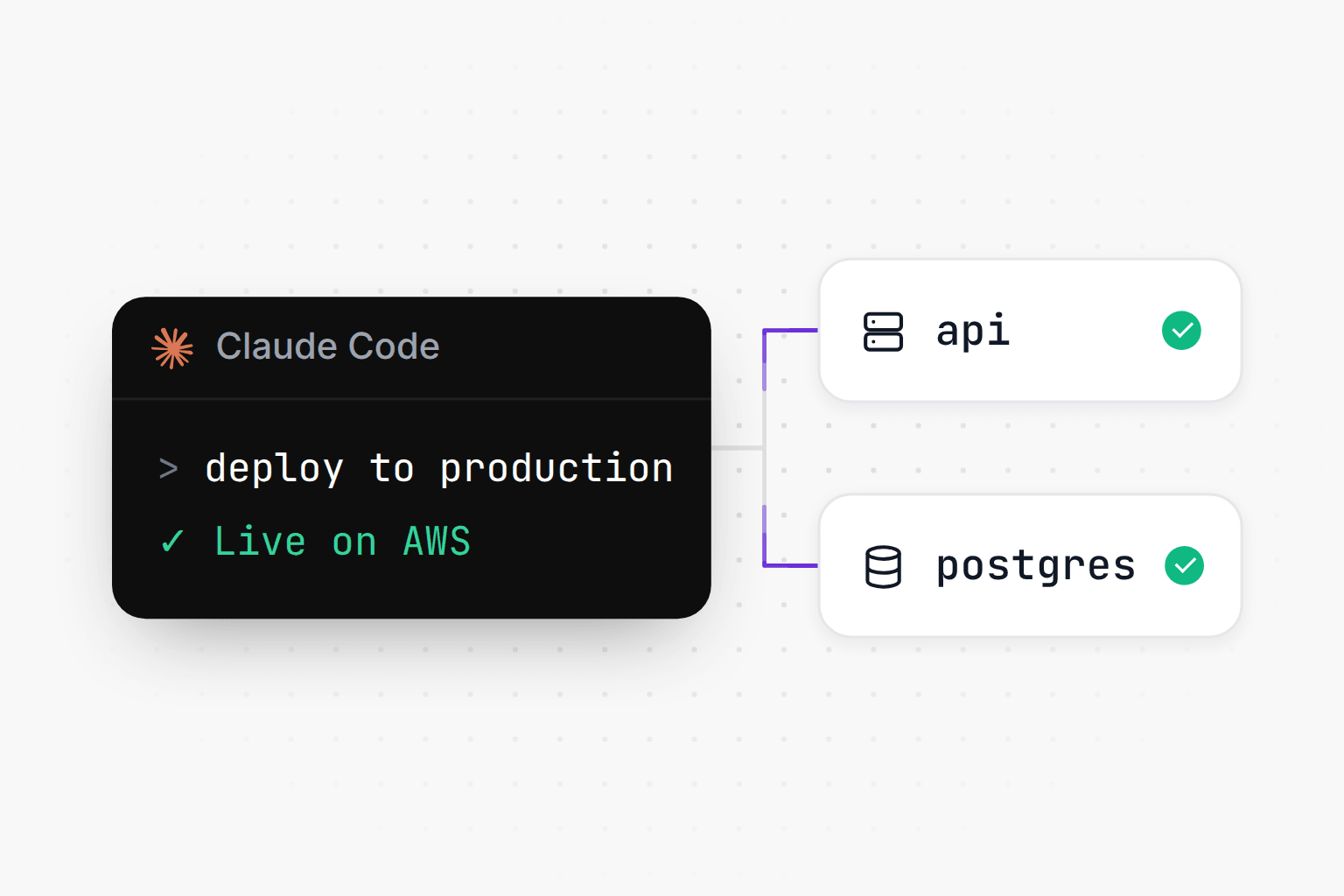
Then deploy with npx modelence@latest deploy, or ask your coding agent to do it. On the first deploy, pick Europe (Frankfurt) or another EU region when you create the environment. The databases are created in that region on the same deploy, and MongoDB is available to every environment through MONGODB_URI. Apps built from a Dockerfile, including Python and Go services, work the same way.
Moving an existing app to an EU region
The region belongs to the environment, so moving an app means creating a new environment in the EU region and moving the data into it:
- Create a new production environment and pick the EU region on its first deploy. Deploy the same code and config.
- Put the old app in maintenance mode or stop writes, so nothing changes during the copy.
- Export each database from the old environment and load it into the new one with the standard tools:
pg_dumpandpg_restorefor Postgres,mongodumpandmongorestorefor MongoDB. Copy uploaded files the same way. - Point your domain at the new environment and check the app.
- Delete the old environment's databases once you have confirmed the new ones, so no copy stays in the old region.
A coding agent can do most of this. Give it the task in one prompt:
Move this app to a new Modelence production environment in Europe (Frankfurt).
Create the environment, deploy the current code and config there, then export the
Postgres and MongoDB data from the current environment and restore it into the new one.
Stop before switching the domain and show me row and document counts from both sides.
What hosting does not cover
An EU region settles where data lives, which is one part of GDPR. You still need a lawful basis for each kind of processing, a privacy notice that matches what the app does, a way to answer access and deletion requests, retention rules so old data is actually deleted, and a record of your processing activities. Most of that is product and process work in your app rather than infrastructure, and it is what customers' privacy teams ask about once the hosting question is answered.
Frequently asked questions (FAQs)
Do I have to host my app in the EU to be GDPR compliant?
No. GDPR allows personal data to leave the EEA when a safeguard applies, such as an adequacy decision for the destination country, the EU-US Data Privacy Framework for certified US companies, or the Standard Contractual Clauses in your provider's DPA. Many teams still host in the EU because their customers' contracts require it.
What does EU data residency include?
For a web app it means the application database, file storage and backups are stored at rest in the EU. Backups are often overlooked: a database in the EU with snapshots copied to another region does not meet a residency requirement.
Is AWS GDPR compliant?
AWS offers a data processing addendum with the Standard Contractual Clauses that applies to its services, and lets you choose the region where your data is stored. Whether your app is compliant also depends on how you and your other providers process data.
Is a London region EU hosting?
No. The UK is outside the EU and has its own UK GDPR. A London region is the usual choice for UK data residency, and the EU recognizes the UK as providing adequate protection for personal data.
Which EU region should I choose?
Pick the region closest to most of your users or the one your customers' contracts name. Frankfurt is a common choice for Germany and Central Europe, Ireland for Western Europe, Paris for France and Stockholm for the Nordics.
Does Modelence keep backups in the EU?
Yes. For environments in an EU region, the Modelence DPA states that the application database, application files and their backups are stored at rest within the EU. Backups run automatically, with a snapshot at least every six hours, encrypted at rest.
Related articles